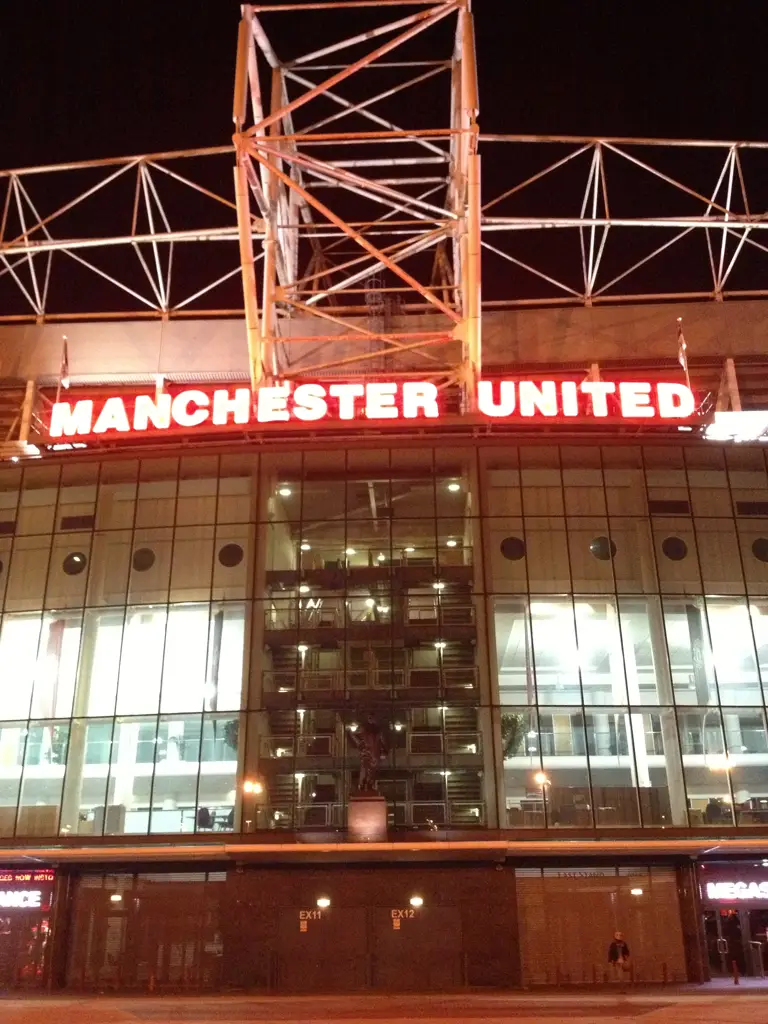
Everyone talks about the headline-grabbing megatransfers—the €100 million strikers, the record-breaking wingers. But true football purists know that the real game is played on the spreadsheet.
For every club desperately hurling money at a problem, there is a smart, calculating club on the other side of the table, perfectly happy to sell their prized assets at a ridiculous premium. In modern football, mastering the art of the sale is the ultimate cheat code. It balances the books for UEFA's strict Financial Fair Play rules and funds the next generation of scouting and development.
The 25/26 summer transfer window was an absolute goldmine for clubs that operate with their heads rather than their hearts. Let's look closely at the top 10 clubs that made absolute bank, proving that sometimes the best business you can do is letting your star player go.
Which Club Got Rich This Summer?
- 1st: Chelsea - €315.8M
- 2nd: Bournemouth - €235.9M
- 3rd: Bayer Leverkusen - €229.5M
- 4th: Liverpool - €219.5M
- 5th: Newcastle United - €176M
- 6th: AC Milan - €161.8M
- 7th: Brentford - €155.3M
- 8th: RB Leipzig - €151.5M
- 9th: Brighton & Hove Albion - €138.7M
- 10th: Wolverhampton Wanderers - €137.5M
(Honorable Mention: 148th: Charlotte FC - €13.8M)
The MLS Pipeline: 148th Charlotte FC - €13.8M
Let's quickly nod to Charlotte FC. €13.8M won't buy you much in the Premier League, but in Major League Soccer, this is proof of concept.
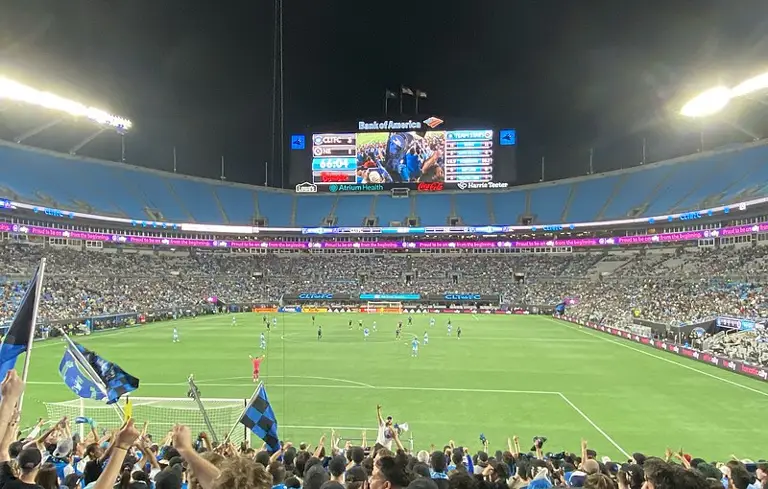
MLS is rapidly shedding its "retirement league" label. Clubs like Charlotte are demonstrating that you can scout effectively, develop players, and sell them on to European leagues for eight-figure sums. It’s brilliant business that funds better academies and raises the global reputation of American football.
10th: Wolverhampton Wanderers - €137.5M
Wolves needed to balance the books desperately, and they executed a ruthless, pragmatic summer of sales. Netting €137.5M was purely a survival strategy to comply with PSR regulations.

They had to say goodbye to Brazilian talisman Matheus Cunha (€74.2M) and flying full-back Rayan Aït-Nouri (€36.8M). It hurts the squad depth, absolutely, but navigating modern football means you occasionally have to sell your best players just to keep the lights on and avoid a points deduction.
9th: Brighton & Hove Albion - €138.7M
At this point, Brighton is basically a hedge fund that occasionally plays football matches. Earning €138.7M in sales is just business as usual on the south coast.
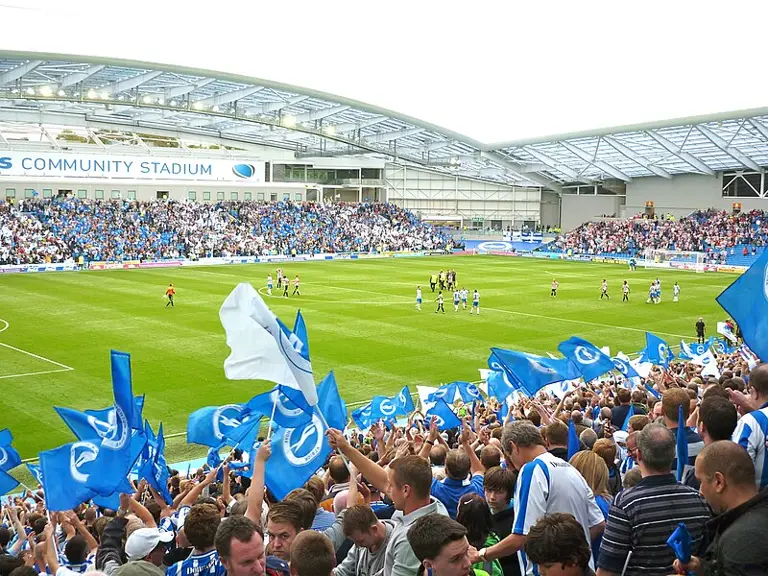
Selling João Pedro for €63.7M is vintage Brighton. Their scouting algorithm inevitably found some 18-year-old in Ecuador for €3M to replace him, who they will subsequently sell to Chelsea for €100M in three years. Rinse and repeat. It is the most flawlessly executed model in the sport.
8th: RB Leipzig - €151.5M
RB Leipzig exists precisely for this reason. They are the premier stepping-stone club in Europe, churning out elite talent for massive profits. Reeling in €151.5M is a successful summer at the office.

Losing Benjamin Sesko for €76.5M and Xavi Simons for €65M simultaneously would ruin a normal club. Leipzig just shrugs, plugs the money back into the Red Bull global scouting matrix, and promotes the next set of wonderkids. It’s ruthless, corporate, and incredibly effective.
7th: Brentford - €155.3M
If Brighton is a hedge fund, Brentford is the sharpest analytics department in sports. Netting €155.3M mainly through selling Bryan Mbeumo (€75M) and Yoane Wissa (€57.7M) is Moneyball executed to absolute perfection.
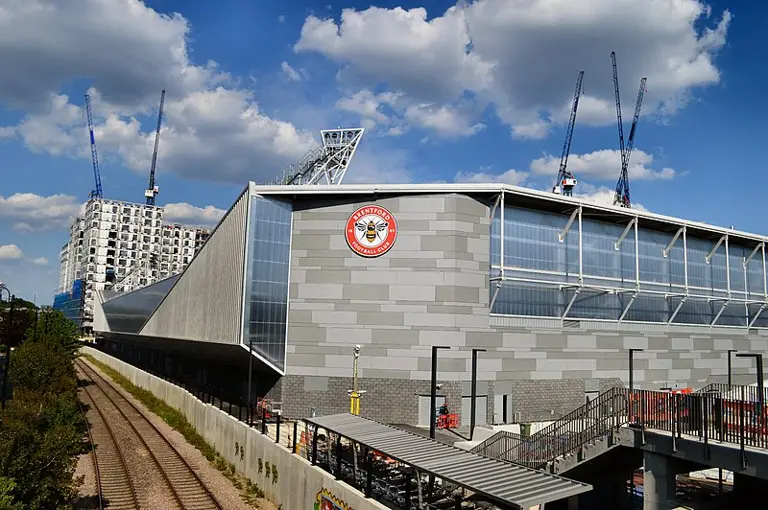
They bought Mbeumo years ago for pennies in the Championship. They nurtured him, maximized his Premier League stats, and sold him at absolute peak market value. It proves you don't need a billionaire sugar daddy if you are simply significantly smarter than everyone else in the room.
6th: AC Milan - €161.8M
Italian clubs generally struggle to compete financially with the Premier League, which makes AC Milan's €161.8M haul genuinely impressive.
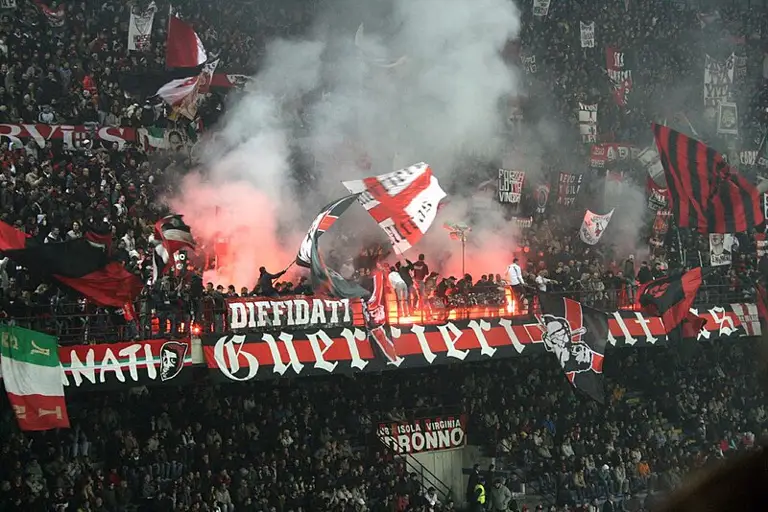
They successfully extracted €55M for Tijjani Reijnders and €35M for Malick Thiaw. Milan recognize they can't constantly outspend English clubs, so they are pivoting hard into buying smart, developing, and selling high to fund the broader rebuild of their legendary institution. Pure financial pragmatism.
5th: Newcastle United - €176M
Newcastle has the richest owners in football, but thanks to strict spending rules, they still have to sell. They generated €176M, almost entirely by breaking their own fans' hearts and selling Alexander Isak for €145M.

It hurts, but from a financial and team-building perspective, it is a brilliant move. Trading one superstar striker unlocked the accounting freedom necessary to rebuild almost half their starting eleven and secure squad depth for another Champions League push.
4th: Liverpool - €219.5M
Before Liverpool spent half a billion euros this summer, they had to clear out space in the squad. They ruthlessly overhauled their attack, generating nearly €220M in the process.
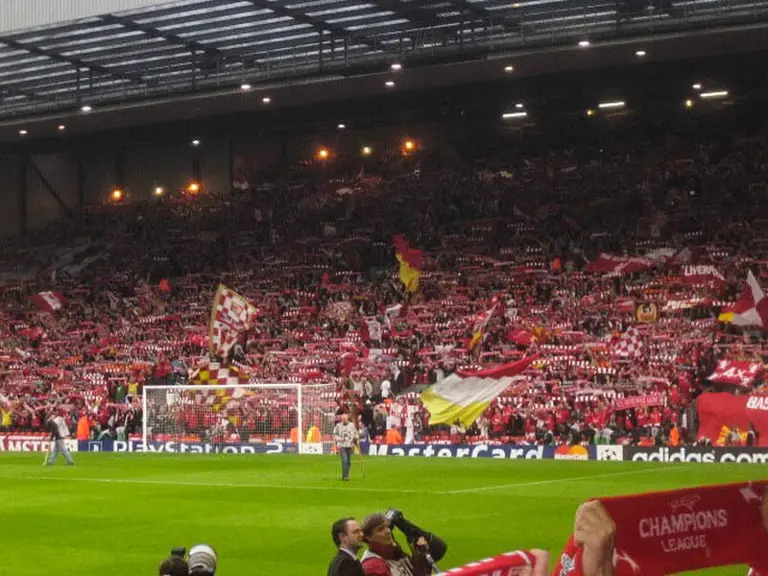
Offloading Luis Díaz for €70M and Darwin Núñez for €53M showed supreme ruthlessness from the new Anfield leadership. They realized the current attacking mix wasn't quite perfect, so they sold them at solid prices to subsidize their record-breaking spending spree. It’s high-risk, high-reward roster management.
3rd: Bayer Leverkusen - €229.5M
When you win the Bundesliga unbeaten, massive clubs will eventually come to plunder your squad. Leverkusen accepted the inevitable and walked away with an incredible €229.5M.
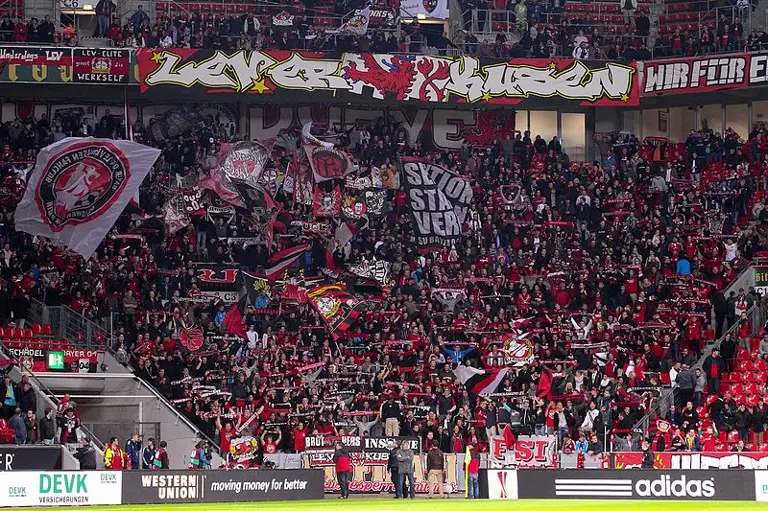
The centerpiece was extracting a mammoth €125M from Liverpool for Florian Wirtz. Leverkusen are the blueprint for sustainable success: they refuse to panic, demand top-of-market value for their stars, and trust manager Xabi Alonso to rebuild a title-contending squad with the incredible war chest they attained.
2nd: Bournemouth - €235.9M
Wait... Bournemouth? The tiny club on the south coast with a stadium that holds 11,000 people earned the second-highest amount of money in world football? Yes, and it is glorious.
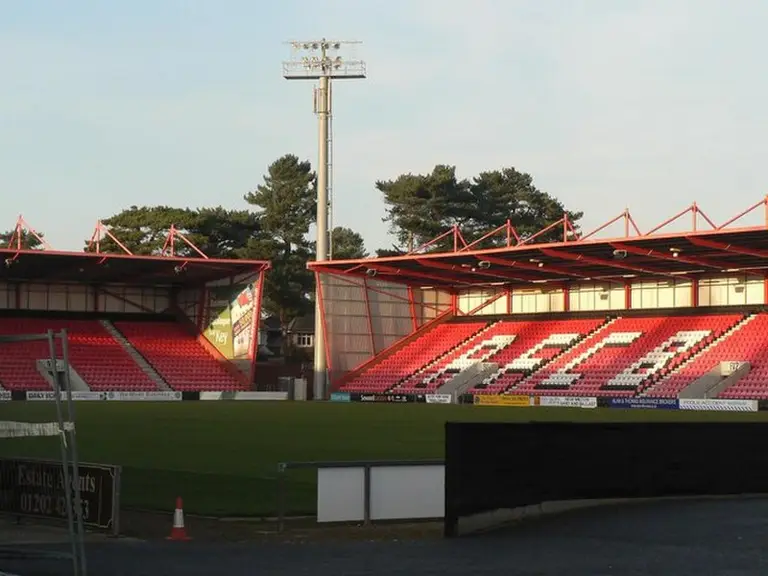
Bournemouth secured a staggering €235.9M by commanding massive fees for defenders Ilya Zabarnyi (€63M) and Dean Huijsen (€62.5M). For a club of Bournemouth's size, this is "build-a-new-stadium-and-fund-the-academy-for-a-decade" money. It is the greatest financial window in the club's history.
1st: Chelsea - €315.8M
Chelsea spent €325M this summer, but they also made €315.8M. The Chelsea hierarchy treats the transfer market like a chaotic commodities exchange, and they are weirdly good at it.
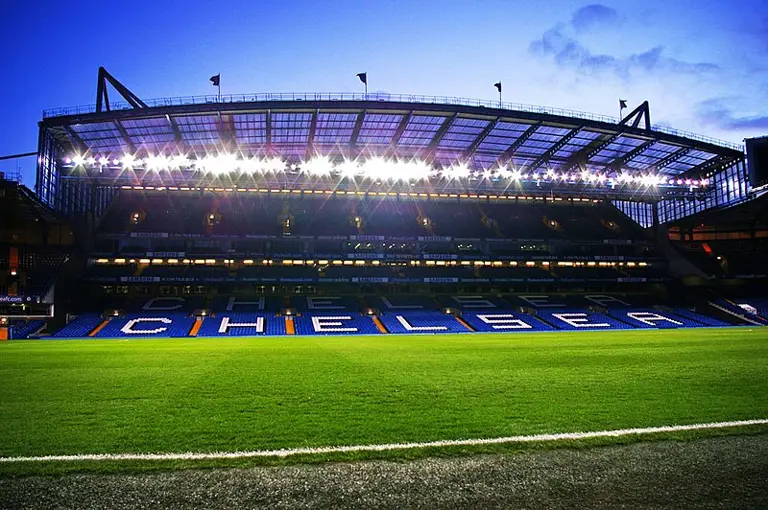
Chelsea's model is controversial but financially potent. They generate pure profit constantly by selling academy products and fringe players (like Noni Madueke for €56M). They stockpile talent, boost their valuation, and sell them for huge sums to stay perfectly aligned with financial fair play rules, only to turn around and buy more wonderkids. It's a dizzying, endlessly profitable merry-go-round.