
In today's hyper-connected world, a reliable internet and mobile connection isn't a luxury—it's a fundamental utility. We use it for work, staying in touch with loved ones, entertainment, and navigating our daily lives. But have you ever stopped to think about how much this digital lifeline costs in other parts of the world? The price can vary dramatically, influenced by everything from geography and infrastructure to market competition and national wealth.
This ranking uncovers the countries where residents shell out the most for their telecommunications services annually. You might expect to see global economic giants topping the list, but the results are genuinely surprising, with several small island nations leading the charge. We'll dive into why these places have such high costs and compare them to a major player like the United States to put it all into perspective.
World's Priciest Phone Bills
- #1 Bermuda - $1749.7
- #2 Cayman Is. - $1625.4
- #3 Aruba - $1166.4
- #4 British Virgin Islands - $1149.3
- #5 Switzerland - $1134.2
- #6 Iceland - $1126.2
- #7 Hong Kong - $1122.1
- #8 Japan - $1034.1
- #9 Montserrat - $994.4
- #10 UAE - $977.4
- #11 USA - $952.3
#11 USA - $952.3

The United States presents a unique case, with an average annual spend of over $950. Despite having a vast and highly competitive market with major players like Verizon, AT&T, and T-Mobile constantly vying for customers, prices remain stubbornly high compared to many other developed nations. This is partly due to the sheer scale of the country; building and maintaining a robust, high-speed network across such a large and geographically diverse area is a monumental and expensive task.
Furthermore, American consumer habits, heavily favoring unlimited data plans and the latest smartphones financed through carriers, contribute significantly to the high average revenue per user. These premium plans, while offering convenience and peace of mind, come at a significant cost that keeps the U.S. high on the list of telecom spenders. The intense marketing wars and lobbying efforts within the industry also add to the overhead that is eventually passed on to the consumer.
#10 UAE - $977.4

The United Arab Emirates rounds out the top ten with an annual spend of nearly $980. As a global business and travel hub, the UAE has invested heavily in creating a world-class digital infrastructure with widespread 5G and fiber-to-the-home coverage. The market is dominated by two main players, Etisalat (e&) and Du, who provide premium services to a population with a high disposable income.
The government's vision for a 'smart nation' and a digitally-driven economy means there is a constant push for the latest technology and highest service standards. While this results in excellent connectivity, it also comes at a premium price. The consumer base, comprising a large number of expatriate professionals and a wealthy local population, has a strong appetite for high-data plans and premium packages, keeping the average revenue per user high.
#9 Montserrat - $994.4

Montserrat is a small Caribbean island with a population of just a few thousand people, yet its residents spend nearly $1,000 annually on telecommunications. The primary reason for this high cost is the extreme lack of scale. Building and maintaining modern telecom infrastructure, including satellite links and fiber optic cables, for such a small user base is exceptionally expensive on a per-capita basis.
The island has also been in a long-term process of redevelopment following volcanic eruptions in the 1990s. Rebuilding infrastructure, including digital connectivity, is a costly and ongoing process. With a small and limited market, there is little room for the kind of competition that drives down prices in larger countries, leaving residents with few, and expensive, options for essential modern communications.
#8 Japan - $1034.1

Japan's inclusion, with an annual spend over $1,030, is a reflection of its status as a global technology leader. The Japanese market, dominated by giants like NTT Docomo, SoftBank, and KDDI, is characterized by a focus on quality of service and technological innovation. Consumers have high expectations for network reliability and speed, and are willing to pay for plans that include extensive 5G coverage and value-added services.
Furthermore, the Japanese model often involves bundling the latest, most advanced smartphones into long-term contracts, which inflates the total monthly cost. While the country's infrastructure is among the best in the world, maintaining that edge requires constant investment. This commitment to providing a premium, feature-rich mobile experience contributes to the high average cost for Japanese consumers.
#7 Hong Kong - $1122.1

Hong Kong is known for its hyper-competitive telecom market, so its appearance on this list might seem counterintuitive. However, with an annual spend of over $1,120, the cost is driven by the intense demand for premium, high-capacity services in one of the world's most densely populated areas. While basic plans can be affordable, the average spend is pushed up by a large segment of the population opting for high-end plans with massive data allowances and the latest 5G technology.
The city is a global hub for finance and business, where fast and flawless connectivity is non-negotiable. The market is a battleground for providers who invest heavily in network performance and speed, and the cost of this technological arms race is reflected in the price of premium packages. Essentially, the high average is a result of a market that heavily skews towards high-performance, and therefore high-cost, services.
#6 Iceland - $1126.2

Iceland's position on this list is a fascinating mix of the 'isolated island' and 'high-tech nation' factors. With an annual cost of over $1,120, the nation's remote North Atlantic location and sparse population density outside of Reykjavik make infrastructure deployment costly. Laying fiber optic cables and erecting cell towers to cover its rugged landscape is a significant financial undertaking for a country with fewer than 400,000 people.
At the same time, Iceland is one of the most digitally connected societies in the world, with extremely high internet penetration rates. Icelanders are tech-savvy consumers who demand fast and reliable services, and the market delivers, but at a premium. The high cost of living and labor in Iceland also contributes to the overall price of mobile and internet plans.
#5 Switzerland - $1134.2

Breaking the trend of island nations, Switzerland is the first European country on the list, with an annual spend of over $1,130. Unlike the islands, Switzerland's high costs are not due to isolation but rather a combination of a high standard of living and a demand for exceptional quality. Swiss consumers expect cutting-edge technology, including extensive 5G coverage and ultra-fast fiber internet, which requires continuous and heavy investment from providers like Swisscom and Sunrise.
The country's challenging mountainous terrain also adds a layer of complexity and cost to infrastructure development that isn't present in flatter nations. Additionally, Switzerland's high wages and operational costs for businesses mean that running a telecom company is expensive. This, combined with a strong currency, places Swiss telecom prices among the highest in the world.
#4 British Virgin Islands - $1149.3

The British Virgin Islands (BVI) is another financial hub and luxury travel destination where residents spend nearly $1,150 annually on telecom. The archipelago's geography, consisting of numerous small islands, presents a significant logistical challenge for providing consistent, high-speed coverage. Servicing a scattered population across a wide maritime area requires substantial investment in inter-island and international connectivity.
Similar to its island counterparts on this list, the BVI's economy is geared towards a high-income clientele, both in its finance sector and tourism. This creates an expectation for top-tier digital services, and providers price their offerings accordingly. The high cost of living on the islands also plays a role, as operational expenses for telecom companies are higher, and these costs are ultimately reflected in consumer bills.
#3 Aruba - $1166.4
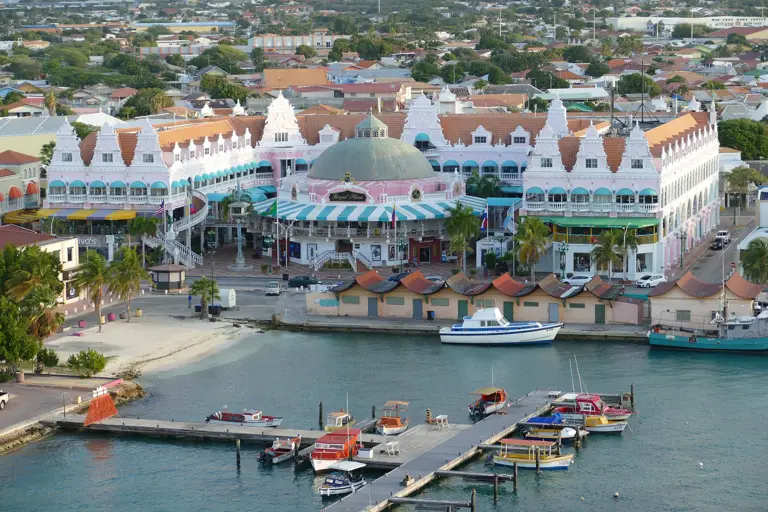
Aruba secures the third spot with an annual telecom expenditure of over $1,160 per person. As a popular tourist destination in the Caribbean, there's a significant demand for robust and widespread mobile and internet coverage to serve both its residents and a constant influx of visitors. The infrastructure required to support this demand on a small island is disproportionately expensive compared to mainland countries.
Furthermore, the telecom market in Aruba is relatively small, with limited competition, which can lead to higher prices for consumers. The island's reliance on tourism means that service quality, especially in hospitality zones, must be high, justifying premium pricing. This combination of high infrastructure investment per capita and a market willing to pay for quality keeps Aruba high on the list.
#2 Cayman Is. - $1625.4

Coming in a close second, the Cayman Islands see residents spending over $1,600 a year on telecom services. Much like Bermuda, this is another case of a small, prosperous island nation facing high operational costs. The logistics of connecting the islands to the global internet backbone are complex and costly, and with no large-scale domestic infrastructure industry, much of the technology and expertise must be imported.
The economy is heavily reliant on international finance and luxury tourism, two sectors that require world-class internet and mobile services. This demand for high-quality service gives providers the leverage to charge premium rates. The result is a market where consumers pay top dollar for connectivity that is considered essential for both the nation's commerce and its high-net-worth residents.
#1 Bermuda - $1749.7

Topping the charts, Bermuda's residents face an average annual telecom bill of nearly $1,750. This staggering figure is largely a product of the island's geographic isolation, which makes building and maintaining undersea fiber optic cables and other critical infrastructure incredibly expensive. With a small, albeit wealthy, population, these high fixed costs are distributed among fewer people, naturally driving up the price for each individual.
As a major offshore financial hub, there is also immense demand for premium, high-speed, and ultra-reliable connectivity, and providers cater to this market. The economy's structure, with a high cost of living and a large expatriate population, means that telecom companies can set premium prices that the market will bear. This creates a scenario where high costs are sustained by both supply-side expenses and demand-side expectations.