Ever wondered why a pack of cigarettes costs a fortune in one country and is dirt cheap in another? Around the world, governments are using high taxes as a primary weapon in the war on smoking, leading to some truly eye-watering prices. This strategy aims to improve public health by making the habit too expensive to maintain for many.
The result is a fascinating global ranking of who has the priciest smokes. From Oceania to Europe, the top of the list is dominated by wealthy nations with aggressive public health policies. So, which country holds the dubious honor of being the most expensive place to be a smoker? Let's dive into the latest global cigarette price rankings.
Cigarette Prices SHOCK! You Won't BELIEVE #1
- #1 Australia - Price Index: 676.8
- #2 New Zealand - Price Index: 566.8
- #3 Ireland - Price Index: 404.5
- #4 Norway - Price Index: 379.3
- #5 UK - Price Index: 376.8
- #6 Bermuda - Price Index: 309.8
- #7 France - Price Index: 297.3
- #8 Cayman Is. - Price Index: 296
- #9 Iceland - Price Index: 279.6
- #10 Singapore - Price Index: 259.7
- #20 USA - Price Index: 194.9
#20 USA - Price Index: 194.9
The price of cigarettes in the United States is a tale of two cities—or rather, fifty states. A pack in New York City or Chicago can rival some of the most expensive places in the world, thanks to hefty state and municipal taxes designed to discourage smoking. This makes the smoking experience in major US cities very similar to that in Western Europe or Australia in terms of cost.
However, drive down to a tobacco-growing state like North Carolina or Missouri, and you'll find prices that are a fraction of that cost. This massive price disparity within a single country is unique among developed nations. It creates a system where your zip code determines how much you pay to smoke more than any national policy.
#10 Singapore - Price Index: 259.7
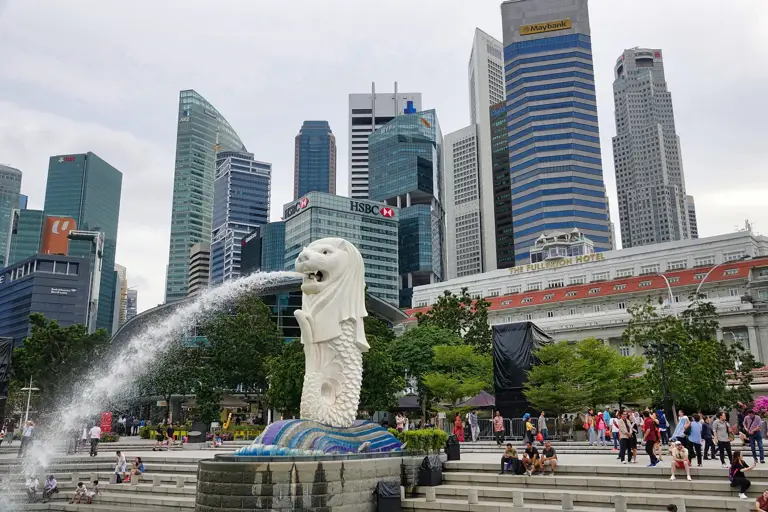
Singapore is world-renowned for its strict laws and regulations, and its approach to tobacco is a prime example. The city-state imposes high, specific taxes on tobacco products, and every legal pack must bear a special stamp (SDPC) to prove taxes have been paid. This system is designed to make both selling and consuming tobacco a highly controlled activity.
Travelers are frequently warned about the severe penalties for bringing undeclared cigarettes into the country, even for personal use. This zero-tolerance policy on smuggling highlights the government's iron-fisted approach. In Singapore, high prices are just one part of a comprehensive system of tobacco control.
#9 Iceland - Price Index: 279.6

As an isolated island nation in the North Atlantic, Iceland has high costs for almost all imported goods, and tobacco is no exception. This geographic reality is combined with a Nordic public health philosophy that favors high taxes on products like cigarettes. This one-two punch secures its spot in the top ten.
Furthermore, Icelandic culture places a strong emphasis on health, wellness, and outdoor activity. This cultural backdrop means that smoking is not only expensive but also less socially common than in many other parts of Europe. The high price complements a lifestyle that already pushes back against the habit.
#8 Cayman Is. - Price Index: 296
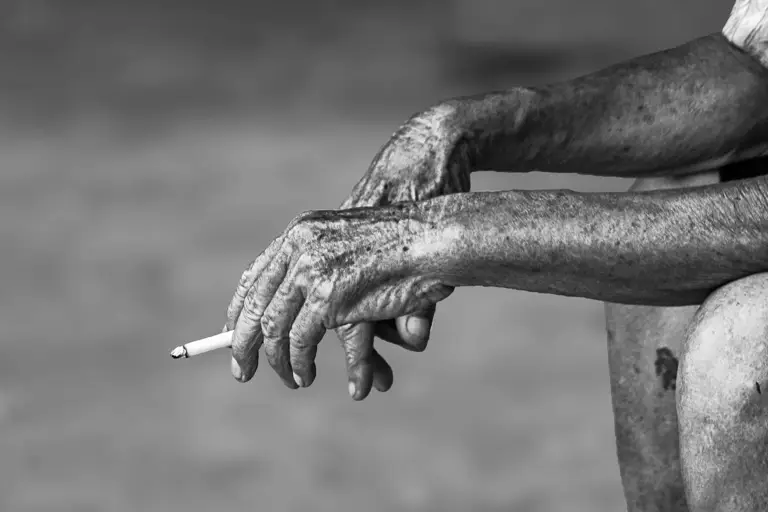
Much like Bermuda, the Cayman Islands is an affluent British Overseas Territory in the Caribbean known more for finance than for cheap goods. The high cost of living, driven by its reliance on imports, applies to everything, including tobacco. Steep import taxes are levied on cigarettes, making them a costly indulgence.
For the thousands of expatriates working in the financial sector and the tourists enjoying the luxury resorts, the price is just part of the package. Smoking here is a habit that comes with a significant premium. It reflects the overall pricing structure in one of the world's most exclusive destinations.
#7 France - Price Index: 297.3

France, a country where smoking was once deeply woven into the fabric of its cafe culture, has made a dramatic pivot. The government has aggressively and successfully pushed the price of a pack beyond the symbolic €10 threshold. This represents a major cultural shift and a determined public health campaign.
The high prices have led to a well-known phenomenon of 'le shopping transfrontalier,' where French smokers frequently cross into Spain, Italy, or Andorra to stock up on cheaper cigarettes. This cross-border trade is a constant headache for French authorities. It illustrates the challenges of implementing national tax policy within a common European market.
#6 Bermuda - Price Index: 309.8
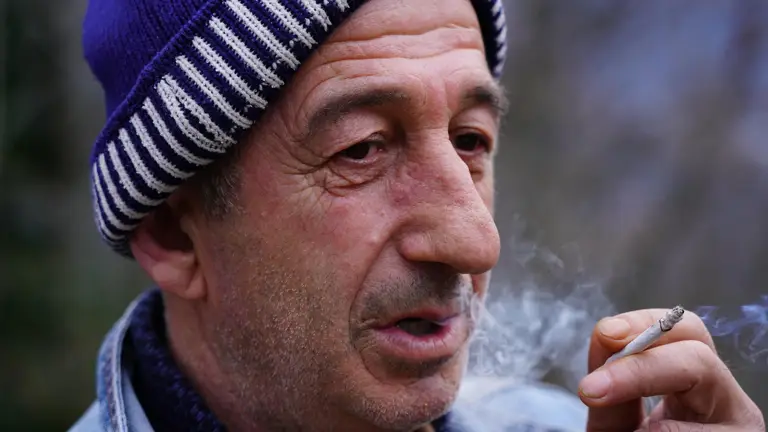
As a small and remote island territory, almost all goods in Bermuda have to be imported, which already drives up prices. When it comes to tobacco, these inherent costs are compounded by significant local import duties. This combination places the popular tourist destination firmly on the list of expensive places to smoke.
For the many tourists who flock to its pink-sand beaches, the price of a pack of cigarettes can be a shock. It serves as a stark example of the high cost of living in this affluent Atlantic paradise. For both locals and visitors, smoking in Bermuda is a luxury expense.
#5 UK - Price Index: 376.8
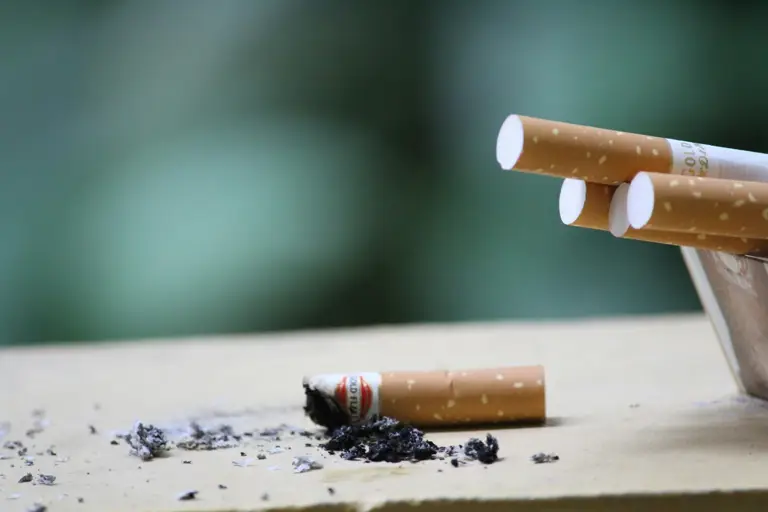
In the United Kingdom, smokers are well-acquainted with the annual budget ritual of the tobacco tax 'escalator.' This policy ensures that the duty on cigarettes rises faster than inflation every year, guaranteeing they become progressively more expensive. This is combined with strict laws on plain packaging and a ban on smaller, cheaper 10-packs.
The high cost has fueled a massive market for roll-your-own tobacco, as many smokers see it as a more affordable, albeit less convenient, option. This shift highlights how consumers adapt to tax policies. The constant price hikes remain a contentious political issue, especially regarding their impact on lower-income households.
#4 Norway - Price Index: 379.3

High taxes on goods that are deemed detrimental to public health are a hallmark of Scandinavian public policy, and tobacco is no exception in Norway. The nation's wealth and strong emphasis on social welfare mean that the government has both the means and the motivation to keep cigarette prices high. These policies are often even stricter than those in the neighboring EU countries.
A unique aspect of the Norwegian market is the prevalence of 'snus,' a form of smokeless tobacco that is a popular alternative to cigarettes. While it presents its own set of health debates, its availability has shaped the country's tobacco landscape. This makes Norway's relationship with nicotine more complex than just smoking.
#3 Ireland - Price Index: 404.5

As the most expensive place in the European Union to smoke, Ireland has a long history of leading the charge in anti-tobacco legislation. It was the first country in the world to implement a comprehensive workplace smoking ban back in 2004. High prices are seen as a natural continuation of this pioneering public health policy.
The Irish government's strategy is aligned with broader European trends, including graphic health warnings and a ban on menthol cigarettes. For smokers, the high cost is a constant pressure point, while for public health officials, it's a clear success. The 'Emerald Isle' is decidedly green when it comes to its anti-smoking stance.
#2 New Zealand - Price Index: 566.8

Following closely behind its neighbor, New Zealand employs a similar strategy of using punishingly high taxes to combat smoking. The country has a bold ambition to become a 'smokefree' nation by 2025, and annual tax hikes are a key part of that plan. This policy has consistently placed New Zealand near the top of global price rankings for years.
Even more radically, New Zealand has been pioneering a generational smoking ban, which would make it illegal for anyone born after 2008 to ever purchase tobacco. This groundbreaking legislation has captured global attention. It signals that the country is willing to take unprecedented steps to eradicate smoking for future generations.
#1 Australia - Price Index: 676.8
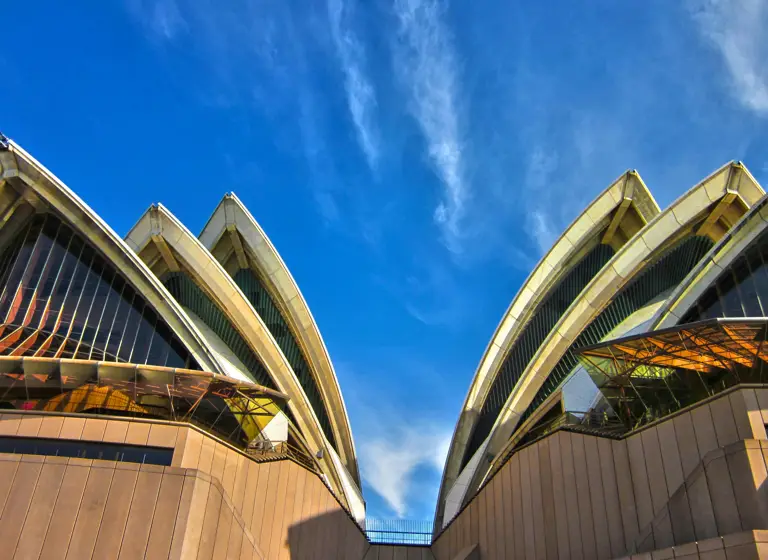
Australia stands alone at the top of the podium as the most expensive country in the world to buy cigarettes. The government's relentless anti-smoking campaign includes not only sky-high excise taxes but also the world's first plain packaging laws. This multi-pronged attack is designed to make smoking as unattractive and unaffordable as possible.
The social impact of these prices is significant, leading to a booming black market for illegal tobacco products. For tourists and visitors, the sticker shock is real, with many smokers stunned to find a single pack costing more than a decent meal. It's a stark reminder of Australia's unwavering commitment to its public health goals.