
When people talk about 'big countries,' they're usually referring to population, economy, or military power. But what about sheer landmass? In 2024, the rankings of the world's largest countries by land area remain largely unchanged, showcasing some familiar giants and a few unexpected appearances.
Land area plays a crucial role in a country's geopolitical influence, natural resource availability, agricultural potential, and even cultural diversity. A vast territory can mean access to a variety of climates, landscapes, and ecosystems.
However, size isn’t everything—some of these large nations have sparse populations or face challenges in infrastructure and governance due to the sheer scale of their territory.
This blog post dives into the top 10 largest countries in the world by land area in 2024, exploring what makes each of them unique and significant on the global stage.
From icy Siberian tundras to vast Amazonian rainforests, here’s how the world’s biggest nations compare when it comes to land size.
Top 10 Largest Countries 🌍 You Didn't Expect #1!
- 1st Russian Federation – 16.37 million ㎢
- 2nd China – 9.32 million ㎢
- 3rd United States of America – 9.14 million ㎢
- 4th Canada – 9.09 million ㎢
- 5th Brazil – 8.35 million ㎢
- 6th Australia – 7.68 million ㎢
- 7th India – 2.97 million ㎢
- 8th Argentina – 2.73 million ㎢
- 9th Kazakhstan – 2.69 million ㎢
- 10th Algeria – 2.38 million ㎢
10th Algeria – 2.38 million ㎢
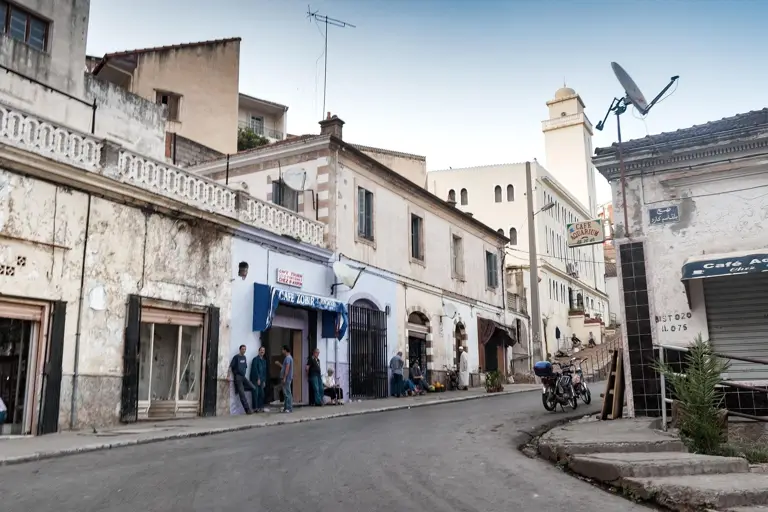
Its large size gives it significant oil and gas reserves, which are key to the country’s economy. The contrast between its desert interior and coastal population centers shapes Algeria’s demographic and cultural landscape.
9th Kazakhstan – 2.69 million ㎢
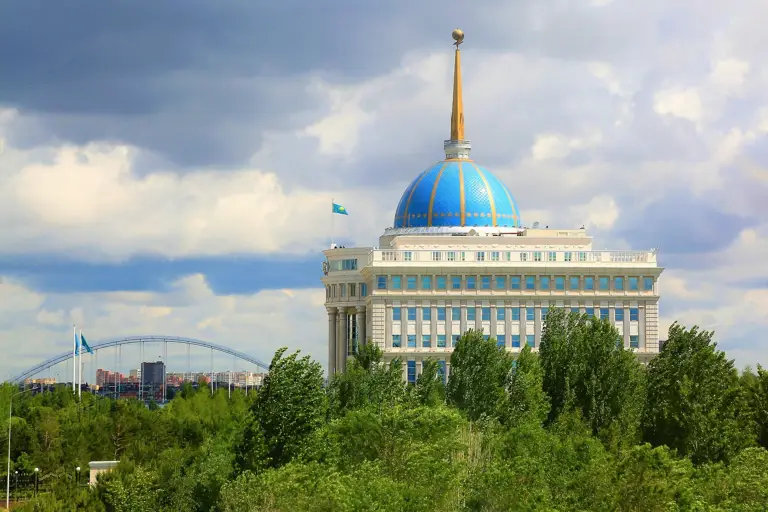
Its vast territory holds rich deposits of oil, gas, uranium, and other minerals, making it economically significant despite a relatively small population. Kazakhstan’s large landmass also provides strategic importance between Europe and Asia.
8th Argentina – 2.73 million ㎢
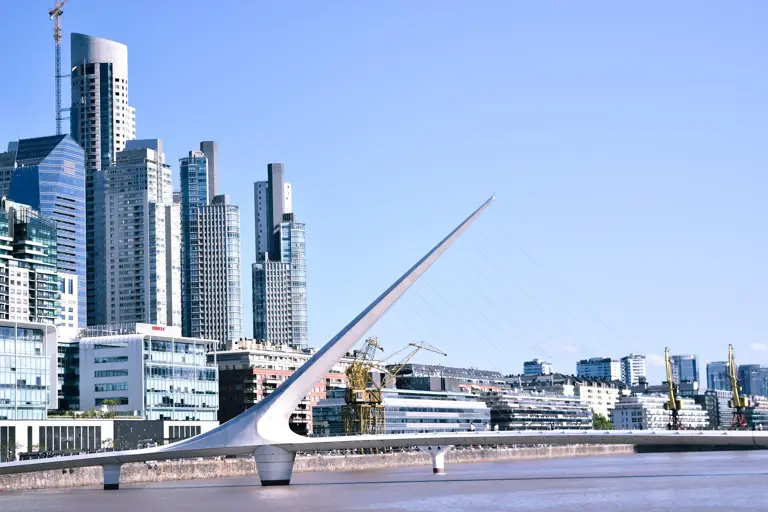
The country is known for its agricultural wealth, especially in the Pampas region, and for its varied climate and geography, which support tourism, farming, and energy production. Argentina’s large area contributes to its regional cultural diversity and natural beauty.
7th India – 2.97 million ㎢
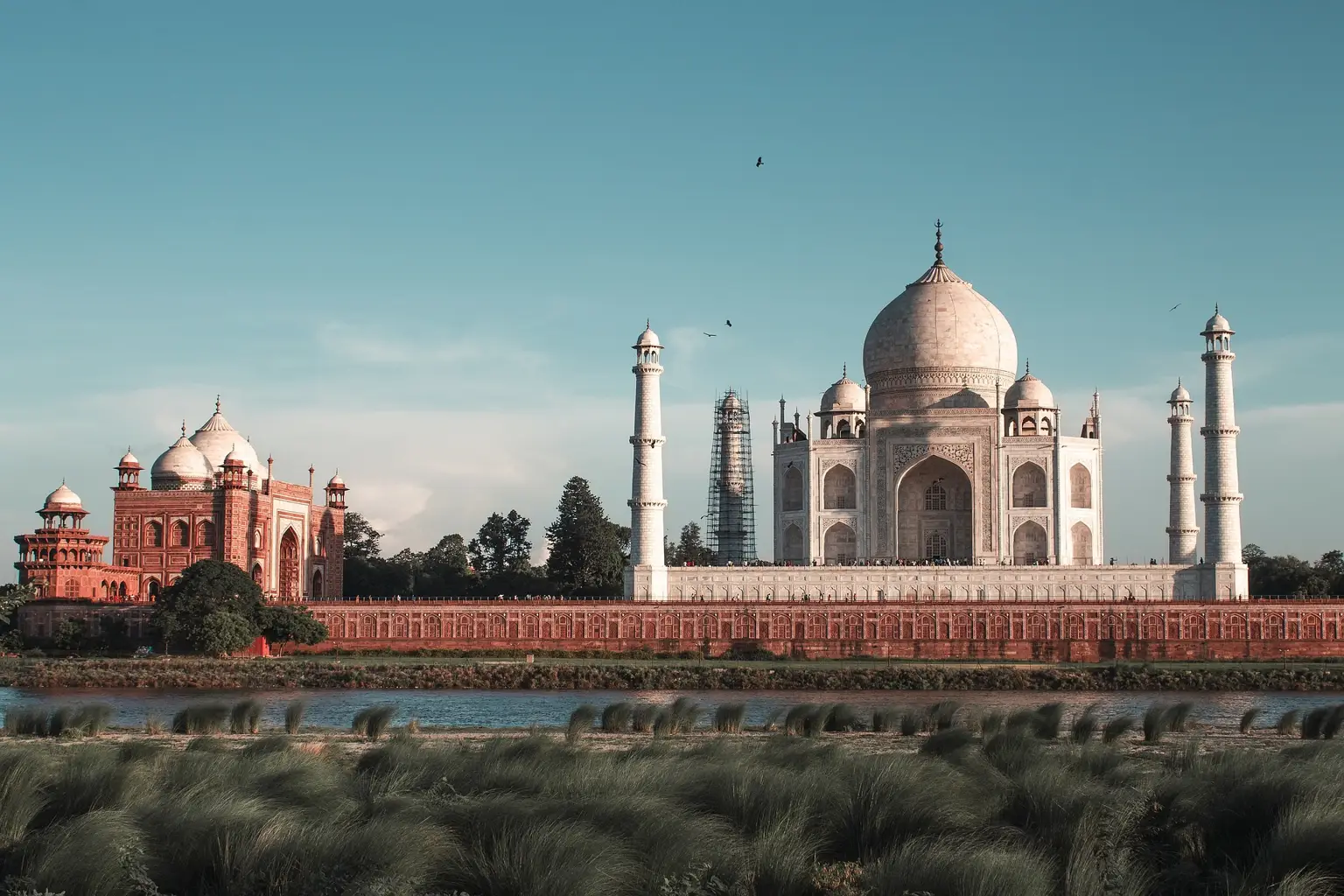
Despite being relatively smaller than the top six, India’s large population and varied geography make it a global force. The land supports a complex agricultural system and a wide variety of cultures, languages, and climates within a single nation.
6th Australia – 7.68 million ㎢
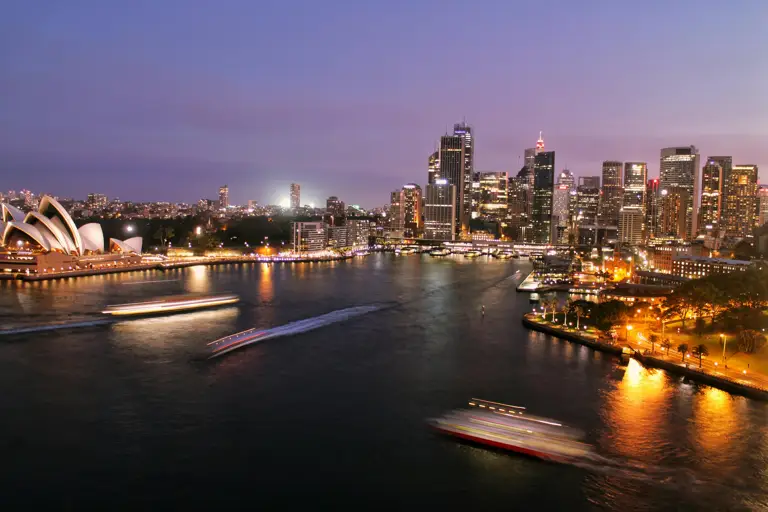
Australia’s geographical isolation has led to unique ecosystems, with flora and fauna found nowhere else on Earth. Despite its size, the population is concentrated in coastal cities like Sydney and Melbourne, while the interior remains sparsely populated.
5th Brazil – 8.35 million ㎢
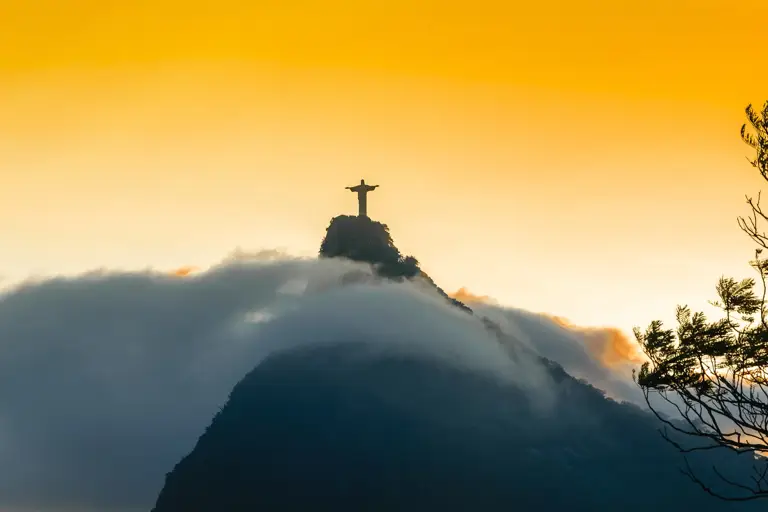
Brazil’s vast land area includes mountains, rivers, and plains, enabling it to support one of the world's largest agricultural economies. The country’s size also contributes to its cultural and regional diversity, with varying dialects, traditions, and climates across different areas.
4th Canada – 9.09 million ㎢
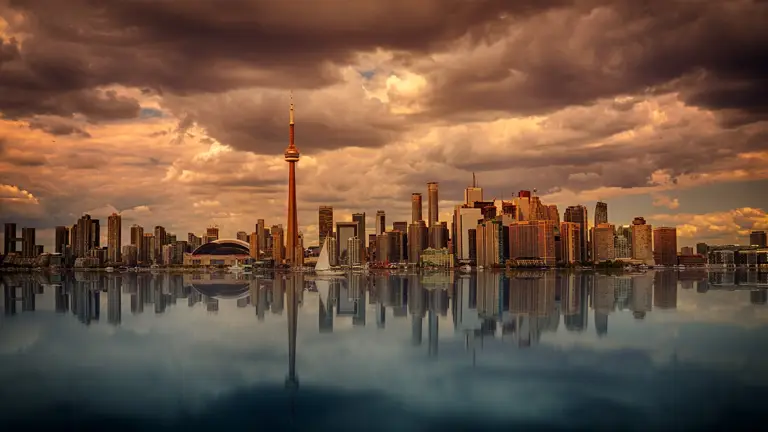
While much of Canada is uninhabited or sparsely populated, its landmass provides significant natural resources, especially oil, gas, and timber. The harsh climate in northern regions limits development, but southern areas are home to vibrant cities and fertile agricultural land.
3rd United States of America – 9.14 million ㎢

The U.S. benefits from this diverse terrain, which supports a range of climates and natural resources—from oil in Texas and Alaska to farmland in the Midwest. This geographic variety fuels economic productivity and allows for regional specialization in industries such as agriculture, technology, and energy.
2nd China – 9.32 million ㎢
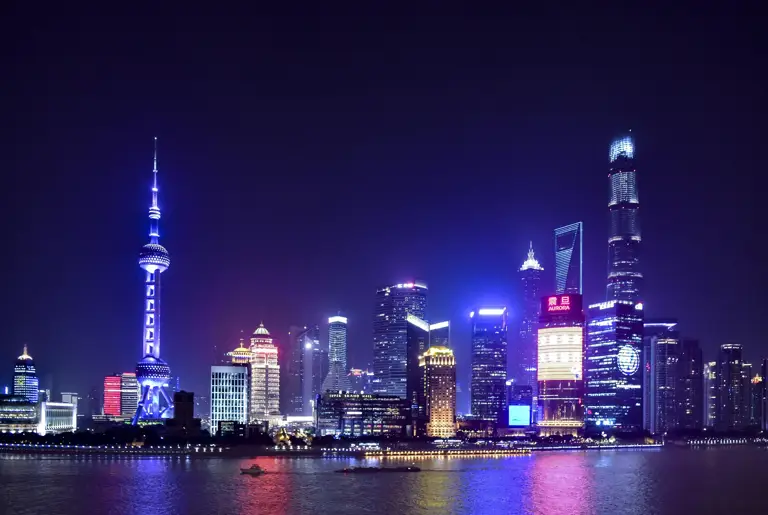
China's massive land area enables it to house over 1.4 billion people, making it the most populous country in the world. It also plays a key role in China’s economic and geopolitical strategy, allowing for internal migration, resource distribution, and diverse climate zones supporting different industries.
1st Russian Federation – 16.37 million ㎢

This vastness gives Russia an abundance of natural resources, including oil, natural gas, timber, and minerals. Despite its massive size, much of Russia remains sparsely populated, with its population heavily concentrated in the European part of the country. The sheer size also poses challenges for infrastructure, development, and governance.