
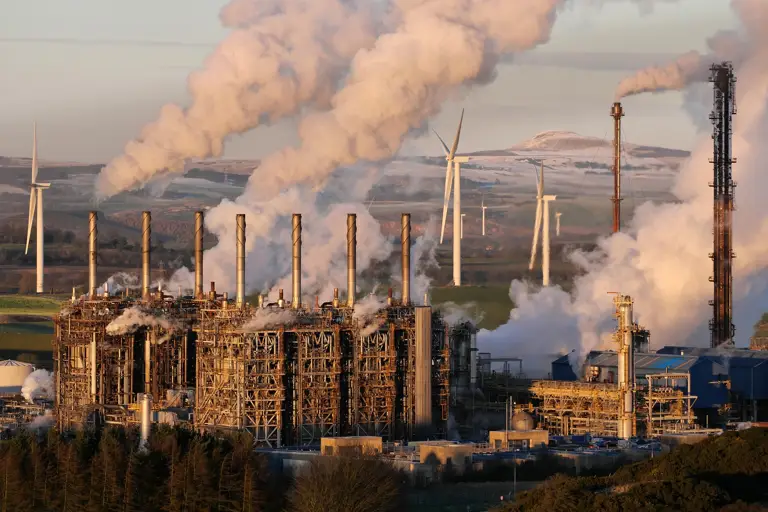
In 2023, global oil demand continues to surge, keeping oil production levels under intense scrutiny. The top oil-producing nations vary significantly in both production capacity and global impact. These countries supply millions of barrels of oil per day, fueling economies, industries, and transportation around the world.
Understanding which countries lead in oil production gives insight into the global energy market, geopolitical dynamics, and economic trends. Major producers such as the United States, Russia, and Saudi Arabia remain at the forefront, with substantial production capacities.
This ranking provides a snapshot of the ten largest daily oil producers in 2023, each playing a critical role in meeting global demand. Whether driven by extensive reserves or advanced extraction technology, these nations' contributions shape the world’s energy landscape.
Here’s a closer look at the top 10 oil-producing nations of 2023 by their average daily output.
Top Oil Producers 2023!
- 1st United States - 13.3 million barrels
- 2nd Russia - 10.27 million barrels
- 3rd Saudi Arabia - 8.95 million barrels
- 4th Canada - 4.99 million barrels
- 5th Iraq - 4.44 million barrels
- 6th China - 4.17 million barrels
- 7th Iran - 4.08 million barrels
- 8th Brazil - 3.58 million barrels
- 9th United Arab Emirates - 3.3 million barrels
- 10th Kuwait - 2.64 million barrels
10th Kuwait - 2.64 million barrels
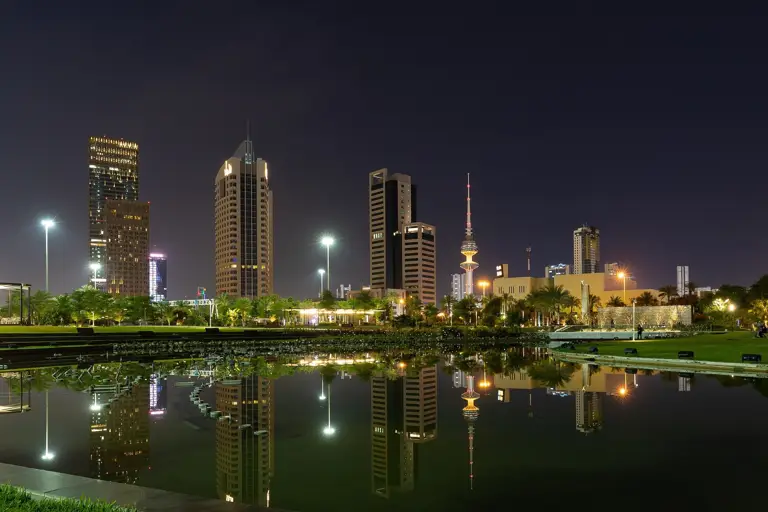
As an OPEC member, Kuwait’s production levels contribute to the organization’s influence over global oil prices. Its consistent output and substantial reserves make Kuwait a key player in the Middle Eastern oil landscape.
9th United Arab Emirates - 3.3 million barrels
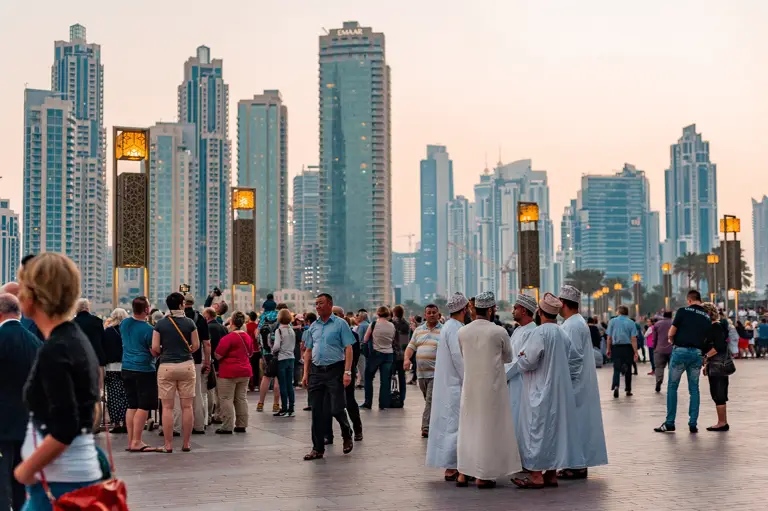
The UAE’s oil revenue supports its diversified economy, allowing it to invest in infrastructure and technology. Its role within OPEC and consistent production levels make it an influential player in the oil market.
8th Brazil - 3.58 million barrels

As the leading oil producer in South America, Brazil’s oil sector is crucial to its economy. Its exports strengthen Brazil’s position in the global oil market, and its technological advancements make it a key player in offshore production.
7th Iran - 4.08 million barrels
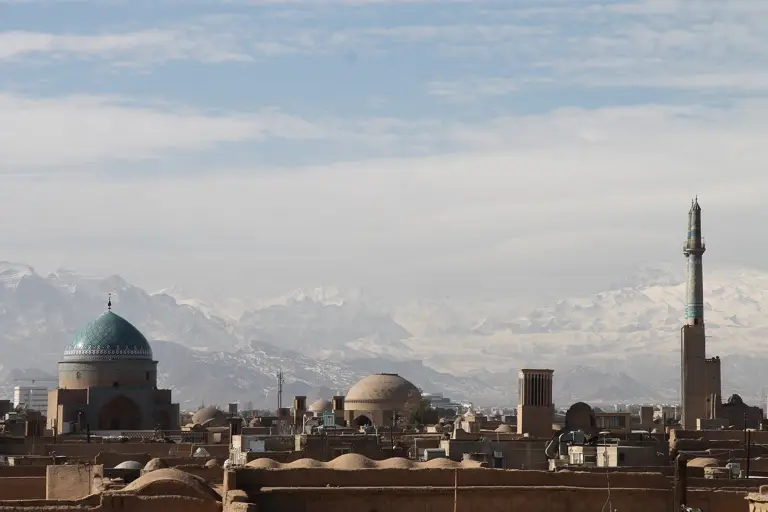
Iran’s oil industry is a cornerstone of its economy, and the country has consistently invested in its energy infrastructure. Its production capacity is vital to the Middle East oil landscape, impacting both neighboring countries and international markets.
6th China - 4.17 million barrels

Though China still imports a substantial amount of oil, its domestic production is vital for energy security. China’s investment in technology and exploration reflects its commitment to maintaining a stable domestic oil supply.
5th Iraq - 4.44 million barrels
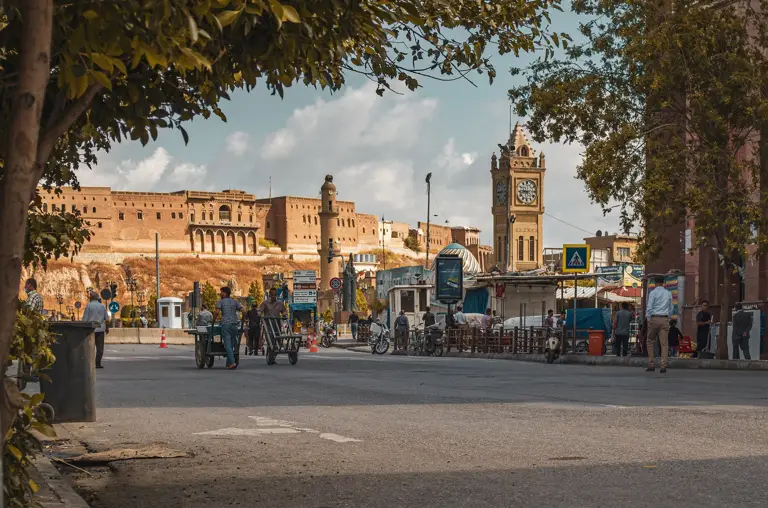
Iraq’s role in the global oil market is crucial, particularly as it seeks to stabilize its economy. The country’s production output has a notable influence within OPEC and contributes to balancing oil supply in the Middle East.
4th Canada - 4.99 million barrels
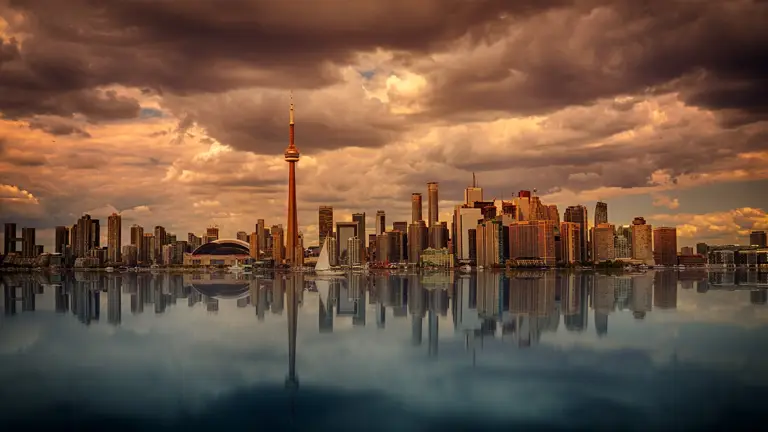
Environmental concerns around oil sands production are significant, but Canada continues to invest in technology to mitigate its environmental impact. As a reliable supplier in the global market, Canada plays a key role in regional and international energy stability.
3rd Saudi Arabia - 8.95 million barrels
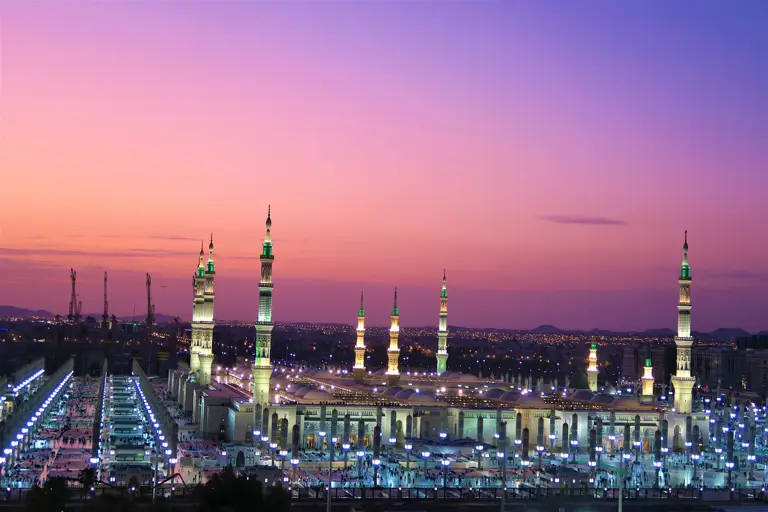
Saudi Arabia's oil exports are central to its economy, with revenues from oil production funding ambitious projects aimed at diversifying its economy. Known for its influence on global oil prices, Saudi Arabia’s role remains vital in balancing the international energy market.
2nd Russia - 10.27 million barrels
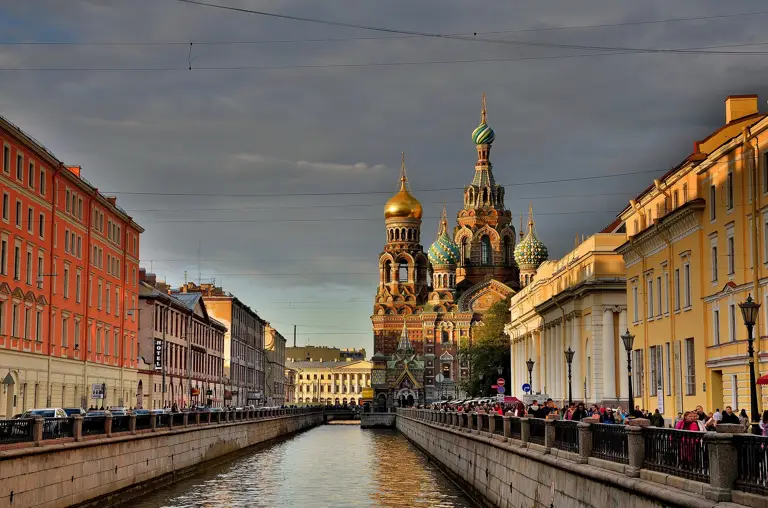
Despite recent geopolitical challenges, Russia maintains a significant presence in the global oil supply chain. Its production not only influences the European market but also plays a crucial role in shaping prices on the international stage.
1st United States - 13.3 million barrels

Beyond domestic consumption, the United States also exports a significant portion of its oil production, contributing to energy security and influencing global oil prices. The country's role as the top oil producer highlights its central position in the energy sector, affecting everything from international trade to national economic stability.