Electricity production is the backbone of modern civilization, powering everything from factories and public infrastructure to our homes and smartphones.
In 2024, the global energy landscape continued its rapid transformation, with major economies accelerating their transition to renewable sources while still relying heavily on conventional power plants.
The following list of the top 10 electricity-producing countries in 2024 offers a fascinating glimpse into which nations are leading the charge, both in total volume and technological capacity.
You'll notice that the rankings include a mix of developed and emerging economies, reflecting how industrial demand, population size, and government policy all influence electricity output.
So, whether you're curious about global energy trends or just want to know who's literally generating the most power—this list has the answers.
China's shocking 2024 electricity output
- 1st China - 8,849 TWh
- 2nd United States - 4,287 TWh
- 3rd India - 1,858 TWh
- 4th Russia - 1,167 TWh
- 5th Japan - 1,034 TWh
- 6th Brazil - 677 TWh
- 7th Canada - 660 TWh
- 8th South Korea - 620 TWh
- 9th Germany - 567 TWh
- 10th France - 469 TWh
10th France - 469 TWh

Recent years have seen a stronger emphasis on expanding wind and solar capacity, though nuclear remains the dominant source.
France also plays a central role in Europe's interconnected electricity market, exporting surplus power to neighboring countries like Germany, Belgium, and Italy.
9th Germany - 567 TWh
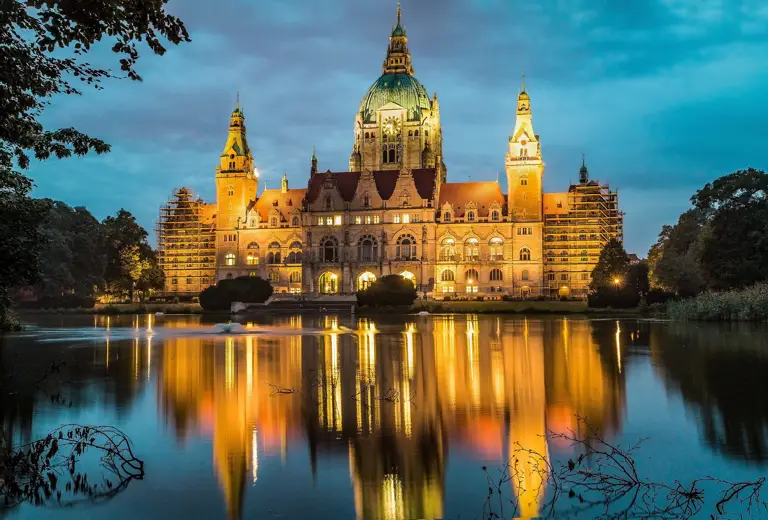
After phasing out nuclear power, Germany has relied on a mix of renewables and imported fossil fuels to stabilize its grid.
With initiatives like the 'Energiewende' (energy transition), Germany aims to be a global leader in sustainable electricity production, though challenges remain in grid modernization and energy storage.
8th South Korea - 620 TWh
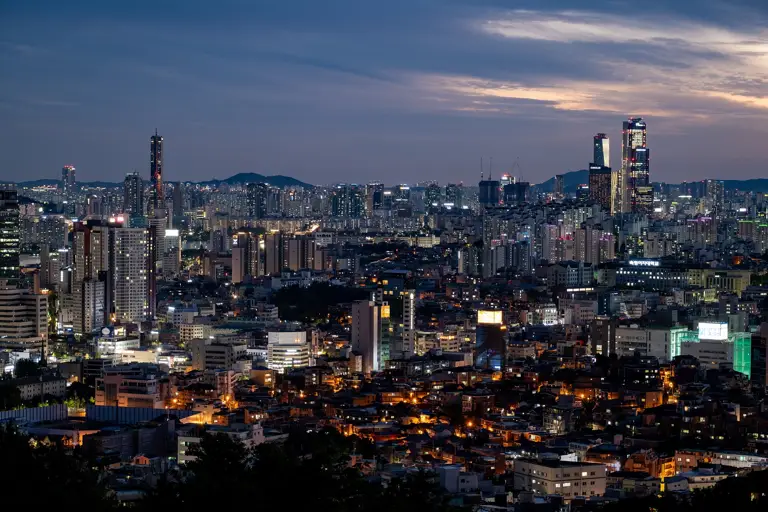
Major cities like Seoul and Busan drive much of the electricity demand, especially with the rise of semiconductor manufacturing and data centers.
The Korean government has pledged to reach carbon neutrality by 2050, prompting policy shifts toward solar and offshore wind projects. Smart energy systems and storage technologies are also being explored to stabilize the grid.
7th Canada - 660 TWh
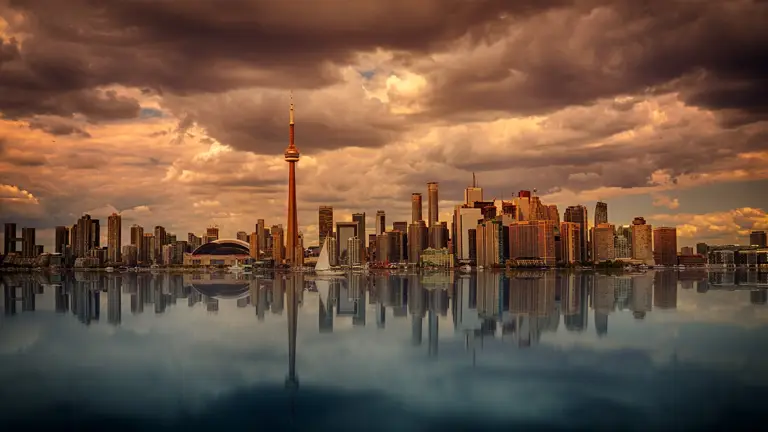
Nuclear power is also a key contributor, particularly in Ontario. Meanwhile, wind and solar continue to grow, although they remain smaller portions of the total mix.
Canada’s grid is highly integrated with the U.S., facilitating cross-border energy trade. This makes Canada not only a major producer but also a strategic exporter of electricity.
6th Brazil - 677 TWh

Major dams like Itaipu and Belo Monte help Brazil maintain its position as a green energy leader. Solar and wind power have also been growing in the northeastern regions.
Despite this success, seasonal droughts have exposed vulnerabilities in hydro-dependency, prompting diversification strategies and smart grid investments.
5th Japan - 1,034 TWh

Renewables like solar and offshore wind are gaining ground, particularly in coastal and rural regions. Japan’s energy policies focus heavily on efficiency, resilience, and technological innovation.
Smart grid projects and energy storage research are central to Japan's long-term strategy, reflecting its commitment to sustainability while meeting industrial and residential demand.
4th Russia - 1,167 TWh
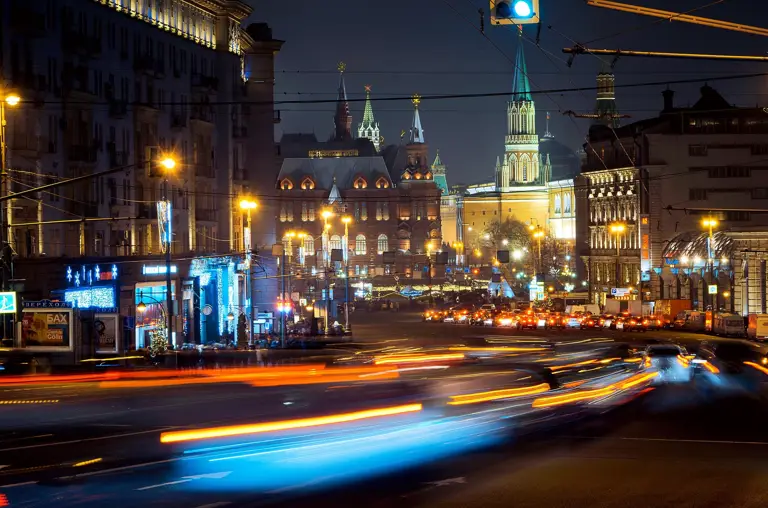
Hydropower also plays a role, especially in Siberian regions, and the government has made efforts to modernize aging infrastructure. However, reliance on fossil fuels still characterizes much of Russia's energy landscape.
Despite geopolitical tensions, Russia remains a critical energy player in both domestic production and global exports, particularly to neighboring countries in Europe and Asia.
3rd India - 1,858 TWh
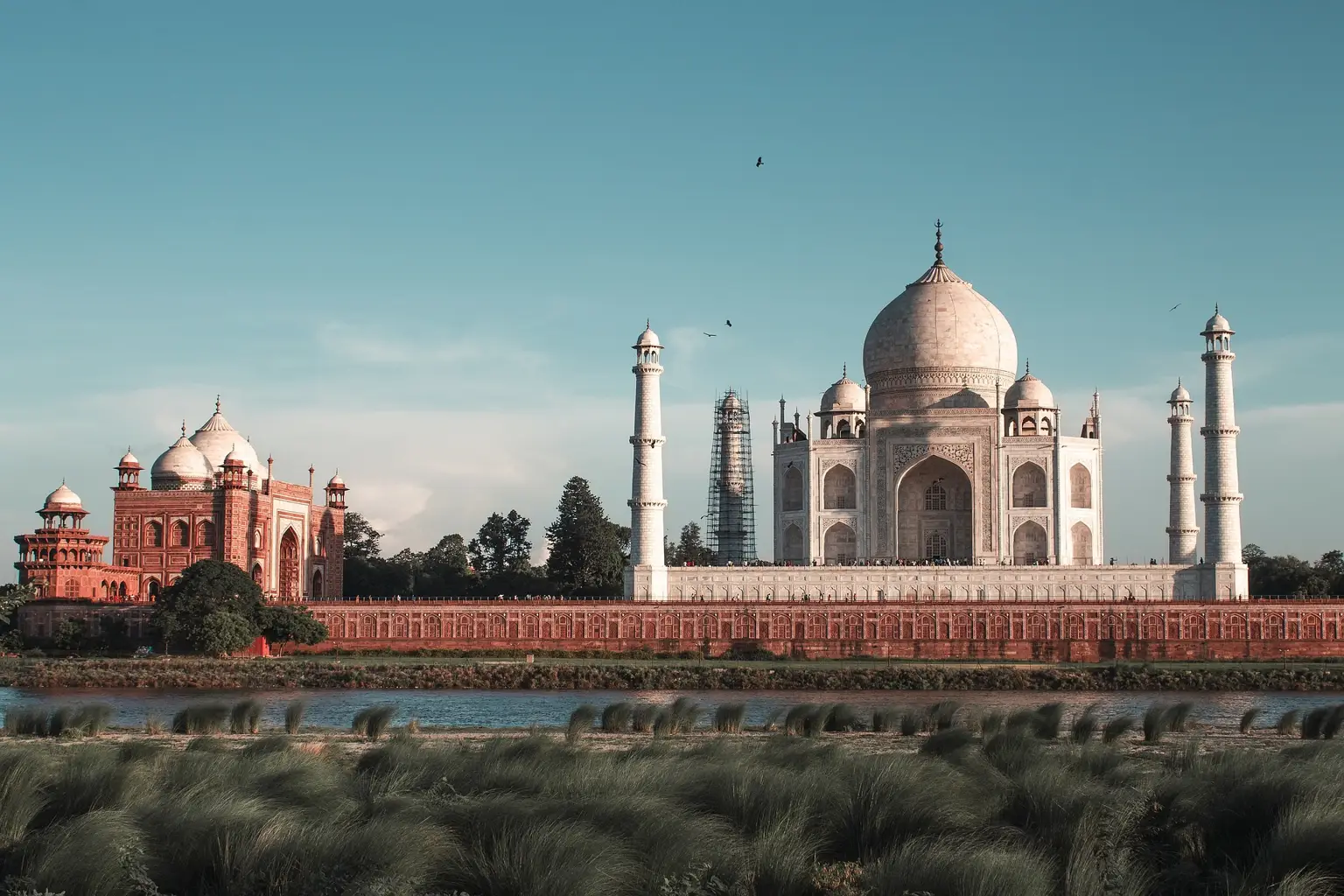
Coal still plays a dominant role, but India is also heavily investing in renewables. With major solar parks like the Bhadla Solar Park and increasing wind installations in Tamil Nadu and Gujarat, India is steadily diversifying its energy portfolio.
Government initiatives like 'Saubhagya' and 'Ujjwala Yojana' have also helped expand access to electricity in rural areas, making India's electricity production not just about volume, but also equity.
2nd United States - 4,287 TWh

Texas and California continue to be energy giants within the U.S., with massive wind farms in the Midwest and solar installations in the Southwest pushing renewable records. Meanwhile, nuclear energy remains strong in states like Illinois and South Carolina.
Energy policy in the U.S. remains decentralized, giving states autonomy in shaping their energy mix. However, the federal government’s clean energy incentives have helped boost investment in sustainable power.
1st China - 8,849 TWh
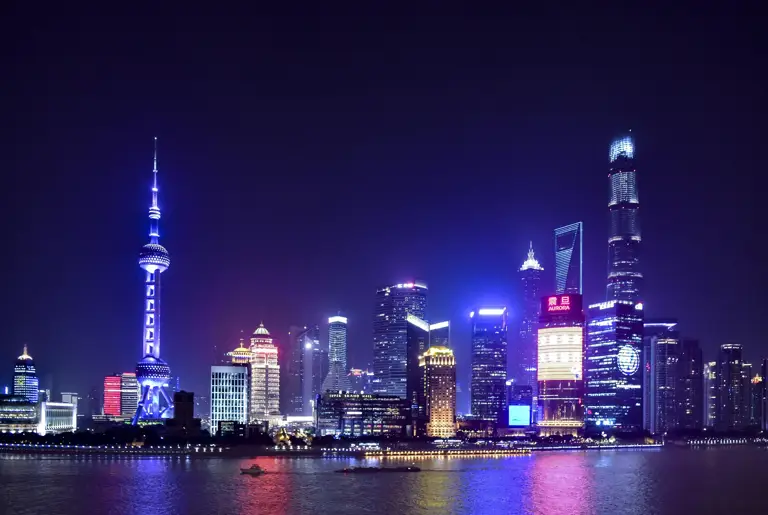
While coal remains a significant part of the mix, China has also rapidly expanded its renewable energy capacity—especially in solar, wind, and hydroelectric sources. In fact, China is home to several of the largest hydroelectric dams and solar farms in the world.
This dual approach—meeting immediate energy needs with coal while building long-term green capacity—shows China's pragmatic energy strategy. With its Belt and Road Initiative and investments in smart grids, China continues to influence global energy trends.